A Blue Badge holder, a 90-minute limit, and a supermarket parking charge
Told with the written consent of the person it concerns
- Area:
- Parking
- Decision body:
- ParkingEye Ltd, at its own appeal stage
- Decided:
- November 2026
On this page
The issue
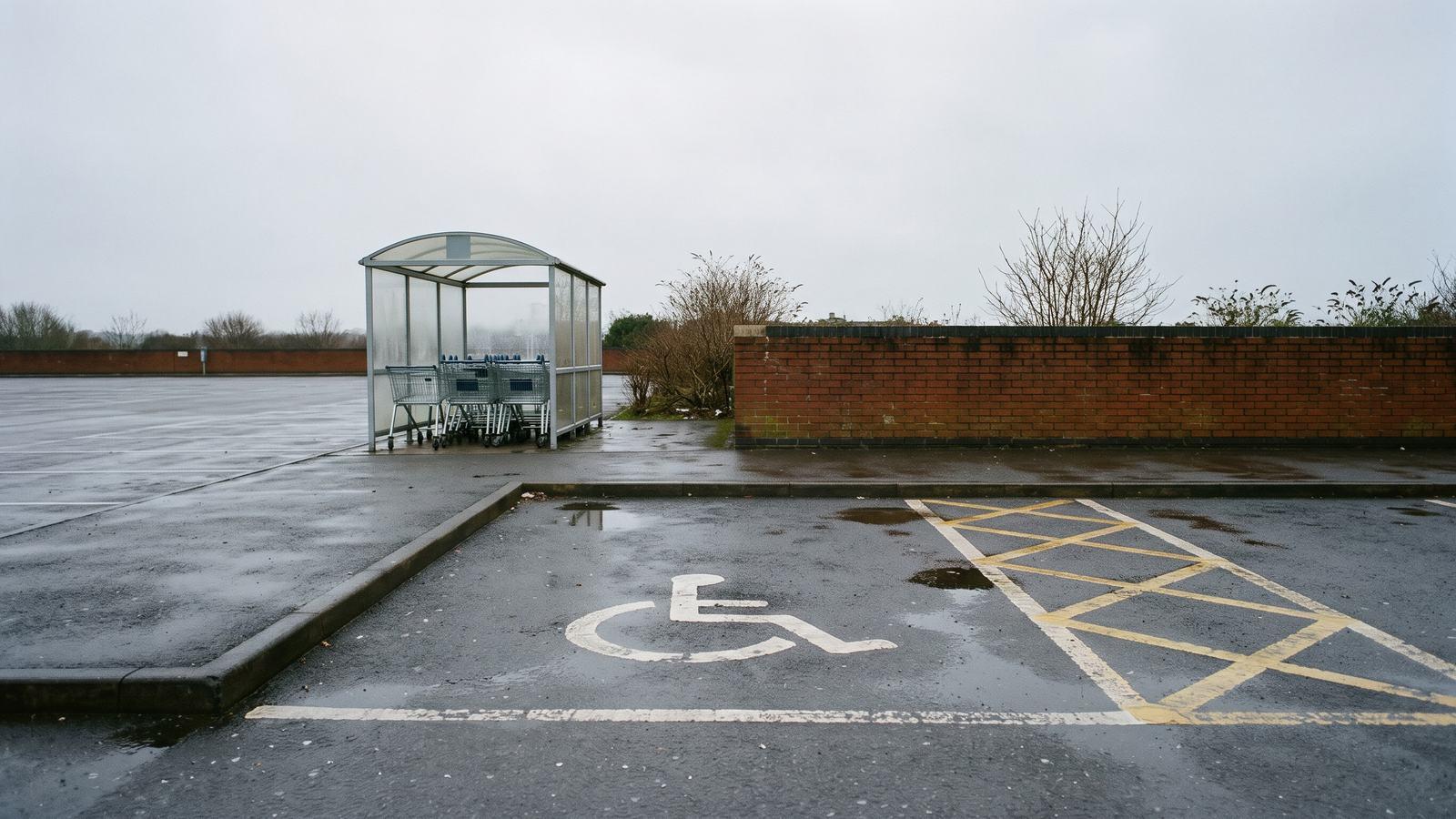
A Blue Badge holder parked in an accessible bay at a supermarket car park managed by ParkingEye and did her shopping. Her disability means the walk round the store, the checkout and loading the car all take longer than they take other customers, and she cannot say in advance how long a shop will take. The car park's limit was 90 minutes. The cameras recorded 1 hour 53 minutes. Four days later ParkingEye sent her a parking charge notice for £90, or £45 if paid within 14 days. She came to Docketory with nine days of the lower rate left.
How it unfolded
- October 2026. The visit, on a weekday lunchtime. Arrival and departure recorded by camera: 1 hour 53 minutes against a 90-minute limit. Four days later ParkingEye issues the notice to her as the keeper: £90, or £45 within 14 days, with 28 days to appeal. She asks Docketory to check the ticket, then pays £14.99 for the appeal. The research starts the same day: the Protection of Freedoms Act 2012, the Private Parking Sector Single Code of Practice, the Equality Act 2010 and the Equality and Human Rights Commission's 2026 services code, ParkingEye's own appeal process, and what has won before at the operator stage and at POPLA.
- Early November 2026. Her documents arrive: both sides of the notice, both sides of the badge, and a few words of her own on what takes her longer. No receipt. The appeal is drafted that afternoon, sent to her to check, and confirmed by her the same evening. Before it goes, every authority it cites is checked on Westlaw and vLex, and appeals won before are searched again. Four citations are corrected and one ground is removed: it rested on a wrong assumption about who the registered keeper of a leased car is. The appeal is then submitted through ParkingEye's portal, as the keeper, with the badge and the notice attached.
What the appeal argued
Four points, in this order. First, she was a customer, and the time taken was the time her disability needed: the overstay was 23 minutes, and the Code's own consideration and grace periods, which name a driver seeking a Blue Badge bay, already account for 15 of them. Second, the Equality Act 2010 applies to a parking operator as a service provider. The Supreme Court in ParkingEye v Beavis said the operator's terms exclude no right the motorist has under statute, and the Code tells operators to have regard to their Equality Act duties and to say on their signs what extra time Blue Badge holders get. A single fixed limit enforced by cameras puts disabled shoppers at a substantial disadvantage, and extra time, or cancellation on sight of the badge, costs the operator nothing and takes a space from no one. Third, the signs at the accessible bays: the appeal asked for photographs and for the extra time the site allows. Fourth, if ParkingEye would not cancel, the Code's mitigation annex and the government's parking code laid before Parliament in October 2026 both treat a driver who cannot leave in time as a case for cancellation, and the burden of proving the contract and its breach is the operator's. The appeal did not say who was driving, and it did not argue that the charge was a penalty: Beavis closed that door in 2015.
How would you have decided?
Vote to see how other readers answered and what the decision body said.
Won
The outcome
- Seven days later. ParkingEye writes. The charge is cancelled and nothing is due. Because evidence of a Blue Badge was provided with the appeal, her registration goes on its exemption list for two years, allowing a longer stay at that supermarket's stores.
- Mid November 2026. She tells Docketory, uploads the letter, and gives written consent for this story.
Cancelled at the first stage, seven days after submission, with a two-year exemption for her registration at the supermarket's stores. ParkingEye's letter gives the Blue Badge evidence as its reason and says nothing about the Equality Act, so nobody can say how much the legal argument moved it and how much its own exemption practice did. What is certain is that the badge, attached to a reasoned appeal, was enough, and that she now has in substance the longer stay the appeal asked for.
What it shows
A Blue Badge is not a defence on private land by itself; ParkingEye's own FAQ says so. Attached to an appeal that explains why the time was needed and what the operator's own Code requires, it can be. Ask for the cancellation and for the registration to go on the operator's exemption list, so that one letter settles the charge and the next visit. Appeal inside the 14-day window, so the lower amount is frozen while the operator decides. And check the authorities before anything goes out: this appeal lost a wrong ground the evening before it was submitted.
Updates
- November 2026. First published. Told with the written consent of the person it concerns.
Comments
Comments are read before they appear.
This story is one matter, told from its papers. It is general information, not guidance on your situation, and one outcome says nothing about another. Docketory is not a firm of solicitors.
This story may change. It is told from the papers as they stood when it was written. If new evidence comes to light, or a court, an ombudsman or a regulator decides something new about the matter, the story is updated, or the part now before a court is taken out, and the change is noted at the end of the story with the month it was made. The poll's question and answers never change, so a vote cast before an update stands as it was cast.