A host's damage claim, paid for what the paperwork showed
- Area:
- Consumer
- Decision body:
- Airbnb's own claims team
- Decided:
- September 2026
On this page
The issue
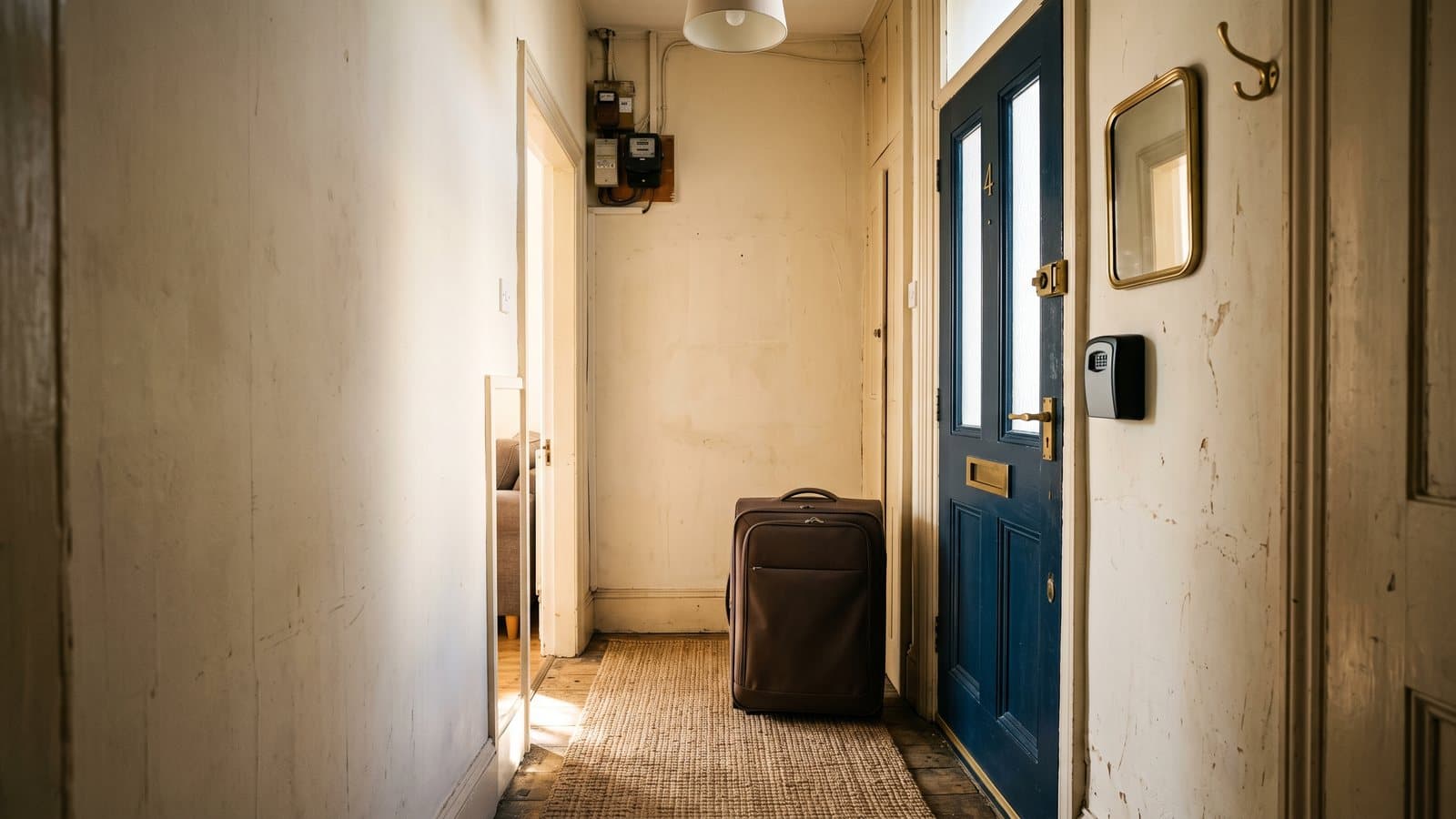
After a guest's stay at a property a host lets through Airbnb, a glass door was broken, a floor was damaged, and the place needed extra cleaning. The host claimed the cost from Airbnb under its damage protection for hosts.
How it unfolded
- August 2026. A guest's stay at the property ended, and he found the broken door, the damaged floor, and a place that needed extra cleaning.
- August 2026. The same day, he filed a request in Airbnb's Resolution Centre asking the guest to pay £1,310 for the three items: £510 for the door, £150 for the floor, and £650 for cleaning the pet stains and odour, which was his estimate.
- August 2026. The guest's side denied breaking the door and said a damage deposit had already been paid. The booking had no deposit, so he took the request further.
- August 2026. The cleaner's invoice for the extra cleaning was dated the day after the stay ended, but it did not go to Airbnb with the claim.
- September 2026. He asked Airbnb to review the request under its host damage protection. Airbnb asked for more information the same day, and he answered it.
- September 2026. He replied to Airbnb's claims handler, and the claim went to a person for review.
What was provided
- A reimbursement request listing three items: the door, the floor, and the cleaning.
- Photos of the damage, and market prices for replacing the door and repairing the floor. The work had not been done, so there were no invoices for either.
- At first, nothing for the cleaning. The cleaner's invoice went in after Airbnb's first answer.
How would you have decided?
Vote to see how other readers answered and what the decision body said.
Partly won
The outcome
Airbnb wrote in September 2026 that the request qualified for reimbursement under its host damage protection. It approved the door at £499.55 and the floor at £142.50, "Based on documentation and market research". It left the cleaning out: "we have not considered cleaning costs as you missed to provide the invoice for the cleaning".
He accepted the two figures the same day and sent the cleaner's invoice, restating the cleaning at the invoiced £300, down from his estimate of £650. The payout came the next day, 18 days after his first request, and covered the two approved items and the invoiced cleaning: £942.05, against the £1,310 he first asked for.
This was Airbnb's own decision. No independent body ruled on it.
What it means if you are in the same position
- Airbnb paid for what was documented, at its own valuation, not at the figure claimed.
- A cost with no invoice was treated as no cost. The invoice turned a refusal into a payment.
- Send every invoice with the claim. The cleaner's invoice existed before Airbnb decided, and it counted only once it was sent.
- Expect every figure to be checked. Airbnb's first, automated review flagged all three items: no receipts or invoices, amounts that seemed high against its own benchmarks, and a cleaning photo that was a screenshot of a message rather than a photo of the room.
Where it went next
It did not go anywhere else. The claim closed with the payout.
Updates
- October 2026. Checked against the papers and emails in the matter. The story had said only that documents supported the door and the floor; there were no invoices for either, only photos and market prices. It now gives the split of the £1,310, including the £650 he first claimed for cleaning, an estimate he cut to the invoiced £300, and when the money was paid.
- October 2026. Reworded so that the matter is told by the person's role, with nothing to say whose it was. No fact changed.
Comments
Comments are read before they appear.
This story is one matter, told from its papers. It is general information, not guidance on your situation, and one outcome says nothing about another. Docketory is not a firm of solicitors.
This story may change. It is told from the papers as they stood when it was written. If new evidence comes to light, or a court, an ombudsman or a regulator decides something new about the matter, the story is updated, or the part now before a court is taken out, and the change is noted at the end of the story with the month it was made. The poll's question and answers never change, so a vote cast before an update stands as it was cast.